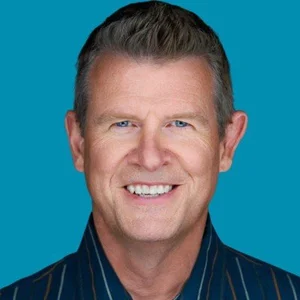
An ADHD hero? Hardly. A proud Wise Squirrel, hell ya!
I feel privileged to have been asked by Rabbi Shmuel Reich (Sam) to be a guest on his show, The ADHD Heroes Podcast. You can hit the play button above to listen, or keep reading as I share what we discussed and some additional resources.
The Wisdom of the Late-Diagnosed "Wise Squirrel"

This was a refreshing conversation that allowed me to reflect on my journey, one that didn't officially begin until I was 50 years old. By the time many of us receive a diagnosis in mid-life, we’ve accrued a lifetime of wisdom, coping mechanisms, and "masking" techniques just to navigate a world not built for our brains.
The Reality of the "Superpower" Myth
One of the most nuanced parts of our chat revolved around the idea of ADHD as a superpower. While you’ll hear this a lot on social media, I tend to push back on it.
In my view, calling ADHD a superpower is often tied to access and privilege. If you have the resources to support your creative whims and a safety net if things go off the rails, it’s easy to see it as a gift. But for many, ADHD is a daily challenge that impacts health, finances, and relationships. I believe we all have internal superpowers, and while ADHD can help channel them, the condition itself isn't the power; it’s our operating system.
Why Get Diagnosed Now?
Many people ask: "I'm over 35, why bother with a diagnosis now?" My answer usually points to the research of Dr. Russell Barkley, which suggests that undiagnosed and untreated ADHD can significantly decrease life expectancy, possibly by as much as 13 years.
Beyond the statistics, a diagnosis offers grace. It allows you to:
Understand your neurotype and why you operate the way you do.
Address root causes of anxiety and depression, which are common comorbidities.
Replace shame with strategies.
Lessons from the Analog World
We discussed how I managed to write an 80,000-word book before I even knew I had ADHD. Looking back, it was a mix of accountability (a looming contract) and a supportive wife (mine!).
Even today, with all my love for technology, I find that the best way to quiet my brain is to go to a coffee shop with nothing but pen and paper. Sketching out ideas away from the "dopamine machines" in our pockets is a vital strategy for the Wise Squirrel.
A Message of Hope

If you are currently sitting in a "dark tunnel," feeling overwhelmed by a late diagnosis or the symptoms leading up to one, know that there is light at the end. Life is a rollercoaster, but self-knowledge is the ultimate safety harness.
If you're a fellow Wise Squirrel looking for a community that understands the mid-life ADHD hustle, I’d love to see you in The Nest.
Thanks to Sam for inviting me to join him on his ADHD Heroes Podcast. I enjoyed his company. I love speaking with my fellow podcasters, journalists, and media folks.
Reach out here if you’d like me to join you on your show.
-
ADHD Heroes Podcast
Rabbi Shmuel Reich: You’re listening to the ADHD Heroes Podcast, a podcast where we speak with the heroes of the ADHD community, namely educators, mental health professionals, and of course, those with ADHD themselves to gain insights, tools, and most importantly, inspiration towards succeeding and thriving with ADHD. I’m your host, Rabbi Shmuel Reich, a high school rabbi and an ADHD coach in private practice. Welcome to the show.
Hi there. On this week’s episode, I spoke with Dave Delaney. Dave Delaney is the host of the ADHD Wise Squirrels podcast, and he came on to tell his ADHD story. We discussed his diagnosis at age 50, adopting a healthy lifestyle including stopping to drink and smoke, his medication journey, the value of pursuing a diagnosis and treatment plan even well into adulthood, how hereditary ADHD is and thoughts on why the diagnosis is more common today, his nuanced view on ADHD superpowers, understanding oneself, his podcast, and a lot more.
A couple of things worth mentioning. At the beginning, I asked him to share something about himself and his background. I usually send the questions before; in this case, I did not. And he called out the fact that it is a little bit of an overwhelming question for the ADHD brain, which is a valid and interesting point. Also, we mentioned the use of substances as a form of self-medication, so it is important to mention that these are unhealthy things to use and sensitive things to talk about. So if there are young people in the car or if you are one of our younger listeners, a friendly reminder that these are things not to be used.
We also mentioned a study from Dr. Russell Barkley on decreased life expectancy among those with ADHD. We mention this in a context—it should not scare anyone. We will link to the article in the show notes. It does not refer to shorter life as a result of ADHD itself, but rather from unhealthy habits that can come from ADHD unchecked. Quick shout out to the Chinuch Today podcast, and a shout out to—if you want an ad here on the podcast, you can email me at adhdherospodcast@gmail.com. Enjoy.
Rabbi Shmuel Reich: All right, Dave Delaney, welcome to the ADHD Heroes Podcast. I’m excited for our conversation today.
Dave Delaney: Me too. Yeah, I’ve been looking forward to this.
Rabbi Shmuel Reich: Excellent. Okay, great. Let’s begin with just a little bit about yourself and your background. Just like an overview.
Dave Delaney: Oh gosh, you’re asking an ADHDer to give you a quick overview. Um, well, I’m the host of the ADHD Wise Squirrels podcast, and so I speak with people like myself who are late-diagnosed adults with ADHD. Have been doing that for a couple of years. Was diagnosed at 50, so not, you know, a little while back now. And yeah, um, I, you know, when I’m not podcasting, I am a communication strategist consultant, so I work with companies and individuals to improve how they communicate, whether it’s internally with team members, externally delivering presentations. I’m kind of a—yeah, everything kind of lives under this big communication umbrella, if you will.
Rabbi Shmuel Reich: All right, cool. So it's interesting that you balance those two. And you got the ADHD specialty and then the business side, which I’m sure—I’m sure the expertise helps.
Dave Delaney: Absolutely, yeah. Yeah, for sure.
Rabbi Shmuel Reich: So taking a look at your story, as you mentioned, you’re the—you have the late diagnosis. So what precipitated that diagnosis?
Dave Delaney: Yeah, yeah, it’s a great question. I was working with two friends who were who are both entrepreneurs as well, and we had a mastermind. So we would meet once a month or once a couple times a month. And after several months, one of them knew me very well and the other one was the friend of a friend. And the friend of the friend one day texted me out of the blue and says, "Dave, do you have ADHD?" And I said, "No." And he said, "Yes, you do. Because I do too and I can see it in you." And he said, you should, you know, go see your doctor and—there’s a longer version, but that’s kind of the short version of going to my doctor and then getting the diagnosis and treatment and so on.
Rabbi Shmuel Reich: Any more of that—any more detail you want to share there?
Dave Delaney: Well, um, so my wife is a school teacher and so she’s, you know, said I had ADHD for years. And of course. And I had gone to see a psychiatrist in 2015 or or 16, I don’t even remember now. But my understanding was like I never got an ADHD diagnosis from him. And fast forward to the story I just shared, when I went to see my doctor, he looked up my charts and he said, "Oh yeah, you were diagnosed back in 2015 or 16 or something." Or something to that effect. So I was like, "Wait, what?" and I just at the time I was like, "Well, what’s a few more years, you know, in 50 of not knowing I had ADHD, right?"
Rabbi Shmuel Reich: Um, so what was happening then that um this was helpful for?
Dave Delaney: Yeah, so well, you know, I’ve worked for myself for over a decade. And at the time I’d sort of hit a bit of a wall in growing my business and that was causing a lot of anxiety and stress. And so that was sort of the pretext to—yeah, things were just not where they needed to be from a really from a business standpoint more than anything else. And that stress was really kicking my butt and as it turns out, I also have anxiety, which is a common strange bedfellow that comes along with ADHD often. Not always, but often. And yeah, so that was kind of my world was sort of yeah, not great from a business standpoint at the time and so yeah, that that was kind of what was going on there.
Rabbi Shmuel Reich: What was your reaction to the diagnosis at that point?
Dave Delaney: Probably well, certainly relief, I guess at the time. So 2020 was also a very stressful year. Now, it was a stressful year for everybody given the pandemic, of course. Sure. But you know, my dad was sort of in his latter stages of Alzheimer's dementia and he was stuck in Toronto while I'm in Nashville. So I couldn't yeah, thanks, so I couldn't go visit, of course. Um, so that combined with, you know, the pandemic, combined with political unrest, combined with all the things going on at the time that made things very stressful. Add a tornado that came through and destroyed my kids' school in March of 2020. Oh okay. And then to add insult to injury May of May 3rd, three months to the date actually, May 3rd, another storm hit us. And that time we were knocked out of our house for three months. We had 10 holes in our roof and a branch had shish-kebabbed our living room and so you know, it was all of that stuff combined. And at the time I was because of all the stress and, you know, I do a lot of public speaking, it's a big part of of my business and what I do. Obviously I wasn't doing much of that because of the pandemic.
So it was a very stressful time and so I was drinking a little too much and I just realized like okay, in order for me to take—and this is pre-diagnosis, right? So I decided okay, given circumstances right now, I'm going to start, you know, exercising better and and more frequently. I'm going to quit drinking. I was researching what causes dementia or Alzheimer's or what could cause it. And some of the things like sleep apnea, that was one I didn't realize, and so and don't quote me on that, I always you know say I'm not a doctor so um. But all these things combined I realized okay, if I if I quit drinking so I quit for 30 days and that's almost six years, six years in June sober. Oh, nice. Thanks, yeah, and then started a daily meditation practice which is which is really grown and and something that that I find incredibly rewarding. I just had Joseph Goldstein on my podcast who's like, you know, he he was one of the the main people bringing bringing insight meditation to the West, so he's pretty incredible guy. Um, and so I started meditating and taking that seriously, mindfulness, journaling, exercise, you know, quit drinking as I said, and then the sleep apnea test because lo and behold, it's not great for your brain to get cut off on oxygen as you sleep. Uh, who knew? Um, and so all of these things combined helped me sort of prepare for the the diagnosis which would come a couple years later, so.
Rabbi Shmuel Reich: Was there anything you implemented once you got the diagnosis?
Dave Delaney: Well, yeah, I mean I I went on stimulants with my doctor and then, you know, we were going back and forth on kind of getting the right meds at the right dose. And at some point my GP was just like, "You know what, this is not—I'm not an expert here, let's get you to an expert." And so I met with a psychiatrist at the time and she started working with me and diagnosed the anxiety and the ADHD and started, you know, so we we kind of addressed that medicinally until we found sort of a good kind of sweet spot, you know. So a lot of people I often hear, not on the podcast so much, but you know on social media and first of all that's a red flag, don't believe anything you you hear online. Um, but one thing I hear a lot is people saying you know they they get on stimulants and they're like "Ah!" Like "Oh my gosh! Like the world is wonderful and every you know I've never felt so great" and and the truth in my understanding at least is that for most people and again, don't quote me, but for me personally um I've learned that I think I think it's more people taking or obtaining ADHD stimulants and taking them who don't have ADHD that may feel this "aha" moment. But for ADHDers, I think it's not quite that "aha," right? Um, and so for me that was a big part of it was taking the meds and then when I was working with my therapist she was like, "Why don't you why don't you take a week off the stimulants and see what happens?" Because I didn't feel that big change. And then when I went I wrote a blog post at Wise Squirrels all about this at wisesquirrels.com if people want to check it out um about what it felt like to go off the stimulant. And when I went off the stimulant I was like, "Oh my God, how how is my wife still married to me?" Because I realized this is what I'm like when I'm not on stimulants and so it was it was kind of the opposite sort of weird effect, but that was that was one of the the big things that I did.
Rabbi Shmuel Reich: That’s interesting. How how long was it till you till that happened? Meaning how long was the I guess the the journey till you felt like the stimulants were helping?
Dave Delaney: I can't put my finger on it, I'd have to kind of timeline it out, but I would I would I would guess probably at least six months or so. I mean I did feel some side effects from some of the stimulants that were the reasons why we changed, you know, one from the other. But yeah, I don't really remember exactly. You know, once once I went off, that's when I was like, "Oh, okay, they were working."
Rabbi Shmuel Reich: Right. So with that realization, what were they what were they helping you with?
Dave Delaney: Everything from just uh getting me more focused, more sort of in the zone as the kids say. I have no idea if the kids say that. Um, but yeah, just just really more focused, more you know on an ability to kind of uh spend more time working on a task that is a otherwise boring task, something I I don't want to do. Um, I found I found it helpful that way. Um, also just being more self-aware, but again I think a lot of that also came from the meditation practice um that I have and being mindful in the moment. So you know, I've always been somebody who's like gift of the gab, if you will, clearly. So but I I started slowing myself down enough to realize like okay, shut up Dave, you keep talking, shut up, you know, let someone else speak. Um, and so just being more self-aware I think helped me as well. Um, and same with excess too, I sort of slowed down on, you know, I quit drinking, I haven't smoked in 25 years or so, and you know, so I don't have many vices now. Um, but you know, snacking is is certainly one of them and I did find also, you know, they they did kind of curb the appetite a little bit too.
Rabbi Shmuel Reich: Yeah. And Jeff Copper once suggested that um maybe the reason why there are more um ADHD diagnoses now among adults is because now that we know smoking is bad for us, um people used to self-medicate with the nicotine and now that they’re not doing that, well the good news is they’re living longer which is good. Hopefully. And but the bad news is that we need to medicate them or or help them out um in ways that are more, you know, that are better for them in the long term.
Dave Delaney: Yeah, absolutely, I think um that's interesting, I hadn't heard that, but I mean I could I could see how that would have been the case. I mean it's the same with alcohol, right? Um, and drugs for that matter of self-medicating. But I think the the dangers there between you know because we are prone to addiction, yeah going down those those roads are probably not not a safe thing and also more diagnoses are happening these days partly because of you know less stigmas and certainly that's part of my goal with my podcast and what I'm doing with Wise Squirrels but also kind of reducing the stigmas and and people sort of embracing mental health um and taking that more seriously generally sort of on a societal level. But then also women who are are getting their kids uh you know checked and diagnosed not always but you know if a kid gets diagnosed, you know ADHD is about as heritable as height, so that means that you know if a child has ADHD then one of the parents could quite likely and so I think that's how a lot of women now are being diagnosed. And also because of the uh predominantly inattentive presentation of ADHD you know because of the I always use the Lisa Simpson analogy there you know you've got the hyperactive impulsive type or not type presentation rather and that's the Bart Simpson that was me. Right. So I was the one disrupting the class and the naughty boy. Um, so if a girl's just kind of playing with her hair staring out a window you know she's not bothering anyone so I think I think that's part of the reason why that inattentive uh predominantly inattentive presentation was was missed earlier on so I think a lot more women now are being diagnosed and of course then there's the combined presentation which is you know your chocolate in my peanut butter.
Rabbi Shmuel Reich: Yeah, I think all those are true. Meaning all those the additional awareness of increased awareness of mental health and and acceptance and awareness that it could be in adults and women. I think all those contribute. I think that’s for sure that’s for sure true.
If somebody’s like uh 35 plus and they’re wondering ah what should I bother with a an ADHD diagnosis for? What’s it going to do for me? Um, what should we tell them?
Dave Delaney: Well, I think first of all, you know, according to Dr. Russell Barkley who's sort of one of the the main voices uh even though he's retired now, but one of the main voices and recognized people in in the ADHD research space and who's you know written multiple books and so forth, you know, Russ Barkley you know I think it was a multivariate test or tests or studies—I have it at wisesquirrels.com/life—but his findings were that with undiagnosed and untreated ADHD your life expectancy can be up to 13 years less. Yes, yeah. And I think for that reason alone it's worth getting diagnosed and getting treatment. Um, but in addition to that I think also with you know oftentimes again with women primarily they were treated with for anxiety and depression more so than ADHD diagnosis. And because anxiety and depression are common comorbidities that come along with ADHD um for whatever reason women were just missed or or you know not diagnosed with ADHD and so what I'm getting at here is that ADHD is often at the root of these other conditions or excess or or whatever and so if you can treat the anxiety or the ADHD that can be at the root of these issues then you're you're doing a great service to yourself and kind of beginning to deal with anything else that may be ailing you including things like bipolar, OCD which are also not as common comorbidities but they do you know they can be.
So I think I think also the other side of it is also just getting like if you if you understand your neurotype you understand uh better the way your brain works and the way um maybe some of the challenges you've faced in your life as well. I think you can start to give yourself grace which is very important and um it does put you down a path of healing as well I think both for you and maybe family and and so forth so so yeah that's why I encourage um people to get to get tested. Um, one caveat to that is I always say like if you when you go see your doctor and you you suggest um you want to suggest a ADHD test um or assessment I think the first question is before you ask that is "What do you think about ADHD?" And see what their uh you know see what their reaction is because there's a lot of quacks still out there unfortunately and if your doctor says "Oh it's over-diagnosed" or "It's not real" or "blah blah blah" then that's a great sign to go find a new doctor.
Rabbi Shmuel Reich: Right. So this is a question I often ask. When you hear people say when you hear people say ADHD is quote unquote not real, what do you say and what do you want to say?
Dave Delaney: Yeah, what I say is "Smell you later" and um what I want to say I'll keep this a family uh show and and not say anything. Okay, fair enough. Um, do you have answers to that?
Rabbi Shmuel Reich: Um, it's a good question. So what I what I say is pro- like you, I just try to play it cool. Um, if you can, you know, sneak in something informative, then you know that would be great. What do I want to say? The the research is there and from the answers that I get from um from different guests, one of my favorites was—and I don’t mean to play favorites—um one of my favorites was "Let's pretend there is." Meaning—
Dave Delaney: That's that is a good one, I like that. Who said that, do you remember?
Rabbi Shmuel Reich: Um, yes, his name is Dr. Shlomo Radcliff.
Dave Delaney: Okay, I love that, that's a good guess or a good uh answer, I love that.
Rabbi Shmuel Reich: He’s a therapist with ADHD himself and that was an ex- excellent um excellent answer.
Dave Delaney: Yeah, that is a good one. I love that.
Rabbi Shmuel Reich: Bringing it back. Going a little bit back back in time to the to the your Bart Simpson days. What were your schooling years like?
Dave Delaney: Oh, terrible. Tell me more. My mom, God bless her, she kept all my report cards. Right. So I actually still have them. And so when I was diagnosed I kind of pulled them out of the closet and buried in some box and my wife and I laughed our heads off reading the comments from the teachers and it's like if you had any question whether this diagnosis was you know accurate um the comments are all there. Uh, so even if you didn't know me and you just read the comments you'd be like "Oh, I don't know who this Dave Delaney is but he's definitely an ADHDer." Uh so um yeah it uh yeah it's pretty clear.
Rabbi Shmuel Reich: Right. Um, how did how did you react to that like schooling experience?
Dave Delaney: Uh not well. I mean well it's interesting and I should add here that like ADHD has nothing to do with intelligence so you can be very you can be you know Einstein who was believed to have had uh ADHD. The spectrum is wide uh as far as that goes, but I was a you know all the comments are like "Dave's a smart kid if he did you know if he tried more if he did his homework if he paid more attention in class if he listened if he focused." It's all there. Um and so grade-wise I didn't do well um and ended up uh going to I think it was five different high schools um and just would get kicked out and kicked out not for anything like serious maybe some disrespect but certainly you know for but but more a lot of the time it was just skipping and not bother going to class at all. And of course that caught up with me um and then going to college later and university later um definitely uh that was challenging. But you know I wrote a book also called New Business Networking that was published and I wrote that before I had my diagnosis before I knew I had ADHD and it's like an 80,000-word book. Like um it's kind of a miracle that I was able to pull that off but I think with the support of my wife um and also just the a looming contract and um you know I had an advance and a book deal so like I didn't have a choice like I had to write the book. Um and I think that accountability piece helped as well um but yeah school school was definitely challenging.
Rabbi Shmuel Reich: Right. Were there were there teachers who you felt did understand you?
Dave Delaney: Oh yeah, yeah, for sure. Yeah. Um, yeah, I did have some great teachers who who would go to bat for me um as opposed to the others who wanted to hit me with a bat. Um, yeah, one teacher I had this guy uh Pat Riley. Um, he uh he uh I mean we're talking you know kind of late 70s, right? So different different era. But um I remember having detention with him and being like "Bah, screw it, I'm not going to detention." And I was you know quite young it might have been like fifth grade or fourth grade or some I don't know and I uh so I walked home. And then you know my brother and I are just kind of in the basement of our mom's house watching TV and suddenly I hear the doorbell and my mom opens the door and goes "Mr. Riley, what are you doing here?" And he says "Oh I'm uh Dave forgot his detention I'm here to pick him up." Uh oh okay. Yeah, different times, right? But he and she's like "Oh no problem." And so she went to get me you know all stern and uh sure enough I had to get my stuff on go back out to the car with Mr. Riley and he drove me back in silence to the school where I had my detention so there you know and it's funny because at the time of course everybody was you know scared of Mr. Riley and in retrospectively I you know a lot of respect for him.
Rabbi Shmuel Reich: Right. Interesting. What is something that you wish you had known then? Or something that the adults you wish the adults in your life had known then when you were a kid?
Dave Delaney: Well I suppose you know I suppose being diagnosed would have been helpful. Um I know back then and I don't know enough about treatment back then I know it you know it was sort of Ritalin and that was the only option I think but um but regardless knowing my neurotype earlier certainly would have been helpful and then for my family my parents and and you know uh other adults in my life you know had they known that I they could have addressed it to make kind of learning easier and to make sort of uh showing up easier. Um so yeah would have been helpful.
Rabbi Shmuel Reich: Right. So for for kids who are school age or parents of kids in school age, what are one or two things that you’d like them to know based on your experience?
Dave Delaney: Well first of all as I said like the heritability piece is pretty pretty you know it's pretty well known so like for first of all if if a parent has ADHD then that means that one or more of their children you know quite likely do and vice-versa. So like if the kid has ADHD then maybe one of the parents does too or both who knows. So I think in that journey and I think that's what's happening now which is helping is that primarily women my understanding at least but moms maybe get their kid tested more than men I don't I don't really know. But I think if you learn as a parent that you have ADHD especially after getting your kid diagnosed and tested and and realized "Oh my kid has ADHD" and then "Oh wait a minute I have ADHD." You know you that can heal a lot of or not even heal it can prevent a lot of trauma moving forward because you know the better you know yourself you know the better you can show up in the world and I think with kids depending on the age of course I think kids also like the better you you know yourself the faster you can get the help and assistance you need and whether that's just like you know I've got my trusty time timer on my desk which I absolutely love. But you know I think for kids and for adults yeah it's just a matter of like knowing yourself and then being able to uh to adjust strategies and things to better suit you and you know if you have access and you're you're lucky enough to have access to coaches or or therapists or whatever I think obviously that's going to help as well.
Rabbi Shmuel Reich: Right. Um, any other um nuggets coming to mind of stories of adults who did things right for you?
Dave Delaney: Well you know like I had Dr. Bob Dempsey on my podcast a while back and Bob was the International Space Station director for NASA for 16 years and unknowingly with ADHD undiagnosed right and he was he was diagnosed at 60 like after working there you know he works at Blue Origin. And so it's pretty you know I think you know some of the best entrepreneurs in the world you know Richard Branson or you know you look at uh like Sara Blakely from Spanx more more recently and you know there's there's so many great case studies and stories of ADHDers that have done really well and I think the sooner you can you know receive a diagnosis and understand that yes you you have ADHD and that and then get treatment for it I think that's going to that's going to really help. It certainly doesn't treatment doesn't like affect creativity so I do want to point that out also I have this whole thing about ADHD and the superpower myth and my conclusion and I also wrote about this at Wise Squirrels so people can check that under the resources section I have a chart and the chart because for people aren't familiar oftentimes especially out in you know TikTok land or you know Paris Hilton has a song uh called you know ADHD is my superpower and I push back on that. I I believe that everybody has a superpower or superpowers. I don't believe ADHD is one of them. ADHD can help uh with those superpowers and and I have a whole exercise on my site to help people uh discover what their uh superpower is but with with ADHD being a superpower my conclusion and this is the chart the chart is the more the more uh access you have um the higher that is in the chart the higher more likely you will claim ADHD is a superpower. And so pickin' on Paris Hilton for a moment you know she's a good example of somebody who has Hilton money you know she's so she can afford to you know go hog wild on all sorts of creative ideas and if they fail they fail and it's not that big a deal because she still has money and access and health and all these things. But for somebody who does not have those things um and you have ADHD um you're going to face challenges and uh you're going to be like "Damn this is not a superpower this sucks." Um and I think there is a middle ground there but again I think it's certainly not a superpower but I do believe that it can you know if you understand yourself well enough and you're you're diagnosed and you're being treated and so forth I think you can channel that knowledge into some wonderful work.
Rabbi Shmuel Reich: Interesting. Ned Hallowell always says that untreated ADHD will ruin your life but once it's once it's under control he wouldn't give it up for anything.
Dave Delaney: Yeah well you know yeah and I've heard him and Russ Barkley kind of go toe-to-toe on that line uh at one of the conferences on a video or something and Russ Barkley would push back and say you know "Eh, like it's not—I don't know would I prefer not to uh have ADHD maybe I don't know but it's not to discourage people and you know you you you just as I said if you're undiagnosed and you're untreated that's a challenge if you can get diagnosed and get treated and treated well then you're on you're on the right path and and you can start to apply uh yeah you can start to apply lessons and strategies to improve your output and improve your how you show up in the world and reach the success you're after so yeah yeah.
Rabbi Shmuel Reich: Right. Dr. Barkley has a much less um rosy view on that as you said.
Dave Delaney: Yes yes he's the uh yeah when I when I was diagnosed and started you know I started the podcast pretty soon after and yeah started researching and learning more about these different names I'd never heard of and yeah Russ Barkley being this sort of you know curmudgeon kind of very scientific guy although his YouTube channel he's a lot more fun but um and then Ned Howell being sort of this you know outgoing friendly loving kind of oh you just want to give the guy a hug so they're almost like polar opposites in a in a weird way but I think at the end of the day you know they both have done wonderful work sort of supporting uh fellow Wise Squirrels as I like to say.
Rabbi Shmuel Reich: Yes. Were there just skills that you learned I guess during your either schooling years maybe in your college years like to figure out how to get stuff done when you needed to get stuff done?
Dave Delaney: Um I think one thing that's really helped me is I studied now I use it in my work in some of my training in some of the presentations I do uh I have a presentation called the ADHD Advantage um where I actually speak about this stuff but I say that because I studied second I studied improv with Second City in Toronto and have done a ton of improv performances and comedy over the years and and studying improv and I would be willing to bet most improvisers are probably neurodivergent at least but certainly I would I would imagine ADHD plays a big uh big piece of that operating system but you know who's to say. Um but I think studying improv and learning the skills with improv have been really applicable in ways to to kind of improve my life and business as well so.
Rabbi Shmuel Reich: Interesting. What’s that look like? I mean like what what were the skills you used?
Dave Delaney: Well I so I have a presentation a keynote that I do for conferences and companies and associations it's called the Master Communicator's Secret Weapon and the reveal to the audience or the group is the secret weapon is using skills from improv. And so in that I share sort of three core concepts. The first is to use active listening, the second is to lead with acceptance and empathy as well, and then the third is not to fear fail failure and obviously not being careless but but also being able to you know take some take some risk. And I think those three kind of combined takeaways from uh the skill of improv I'm not necessarily in that presentation I have a workshop I do too for companies when I'm speaking about that um I'm not suggesting everybody rush out and take an improv class although I would. It's great. Um but you can use the skills from improv that I've sort of outlined there and apply them to how you show up in the world, how you communicate with your teams, with your family, friends, colleagues, prospects, everybody, and um yeah it's it's really impactful so.
Rabbi Shmuel Reich: Interesting. Was there anything that you like discovered for yourself by necessity from like pressures of pressures of school or um college or early career where before you had the diagnosis but you knew how you operated in a way that you had to figure that out?
Dave Delaney: Yeah I mean I you know I I mean I'm 53 now so you know I've kind of my career has come up with computers for the most part or it has um and so I've always had that dopamine rush and and I'm a bit of a nerd that way I love you know I don't love all of it nowadays but you know I mean I've been podcasting for 20 years as an example uh so social media you know I started on Twitter in '07 uh now I wouldn't recommend it to my worst enemy uh it's a dumpster fire. So but yeah so being an early adopter in a lot of technology and things it's it's something that I've always really enjoyed whether it's some coding or design you know designing a website you know all that stuff. Everything I do with Wise Squirrels or even DaveDelaney.me my personal site or FutureForth.com my business, all those websites are designed by me. I had a friend do logos but besides that I did it all myself and I do it all myself. Um so I really enjoy kind of getting my hands dirty that way. Um this was a long-winded answer to a question I can't remember now. Um what were we talking oh business career um and tips yeah so I say all that because I I knew to go analog to plan things like go to the coffee shop, grab a coffee and a pad of paper and a pen and and sketch it out and write it out rather than do it online. And nowadays certainly with the you know our little addictive dopamine you know machines in our palms um they're designed to be addictive. So you I know but early on I knew just yeah if I'm going to get anything done I need to plan, I need accountability, I need dates for when things are are due and priorities and uh I find that yeah pen and pen and paper there's a lot of value there.
Rabbi Shmuel Reich: Interesting. It sounds like you you knew you figured that out early on.
Dave Delaney: I had to. I mean either that or I'd be fired, right? So yeah.
Rabbi Shmuel Reich: And it sounds like also you were you’ve always been doing creative things that played to your strengths. I’m getting that right?
Dave Delaney: Absolutely, yeah, yeah. I mean comedy is such a huge I'm such a big fan of comedy and um you know I finally did six open mics in six weeks uh a couple years ago before I was diagnosed so a few years ago and doing improv for so long um I've always just been a big fan of of performance and comedy especially and I think uh even as a kid you know listening to comedy albums or crank calling people and recording those calls and trading those cassettes with friends. I was always a joker and practical joker and things like that so yeah so humor has always played a big part of of what I do.
Rabbi Shmuel Reich: That’s good. Um, if somebody’s looking at getting their career started with ADHD, what are some uh what’s some advice you could share with them based on your own experience?
Dave Delaney: Well first of all I mean reach out to me if you have questions or or comments or need anything you know don't be shy reach out. I think you know like I tell so like the podcast itself is for late-diagnosed adults who are more sort of middle-aged, mid-career people like myself. Um so I don't end up talking to a lot of younger people necessarily with ADHD, but what I would say is you know first of all like if you're just diagnosed give yourself grace. Um understand that you know you're you're great and you're going to do wonderful things especially now. Like the future is so much brighter now because of the understanding of yourself and the treatment and you can put a name on it now so you can better understand like you know what works, what doesn't work, you know things to try, strategies and so forth. So I think you know use those strategies. Um don't believe everything you see on TikTok and in fact don't believe any of it maybe. Um yeah yeah I mean there's there's too much misinformation out there. And yeah just give yourself as I said give yourself some grace um but I think yeah I think just self-knowledge is power and and the more the better you understand yourself the better you can you can find strategies that work well for you and so yeah yeah.
Rabbi Shmuel Reich: Right. With regard to Wise Squirrels, what was the well first of all our listeners don’t yet know the inspiration for the name. Um, so let’s start with that.
Dave Delaney: Yeah, so well I was going to call it Squirrels because it's like "Squirrel!" which is you know Doug the dog from the movie Up sort of the the distracted dog meme that you've probably seen online. And but I felt it felt kind of demeaning a little bit just to call it Squirrels like I didn't want to like make fun of ADHD even though I have it. Um so I wanted to like kind of respect it and what because my podcast is for people like myself who are later in life and so forth you know the idea is that you know we've accrued so much wisdom in our lives it doesn't really matter your age really but you've accrued so much wisdom in your life by surviving and thriving regardless of your neurotype uh and so I believe like these lessons these things that you've learned and about yourself especially tie into this wisdom and you know words and terms I'd never heard of before like masking and coping mechanisms. Now I understand what these things are, but these are certainly things that I was doing. I was drinking too much, that's masking. Or I was developing coping mechanisms like like always showing up to meetings way early, not going in but being there super early because I'd be stressed out and anxious that I was going to be late. Um so I would anal-ly be I still am. That's why I was kicking myself because we were we were a little I was uh giving you a little bit of challenge in in booking this meeting. Um but and so I was like "Ah." Um so yeah so anyway I don't even know I think yeah I think um that's Wise Squirrels. So wise is wisdom and squirrels is squirrel.
Rabbi Shmuel Reich: Excellent. Um and you mentioned the aim. How far after the how far after your diagnosis did you did you launch it?
Dave Delaney: Oh really soon. Um maybe a maybe a month I like a month later I launched the website and just started writing articles about it and then like a couple months later I started the podcast. So um yeah it go go figure we we can tend to get a little hyper-focused on topics and things and uh so it yeah and it's it's been fantastic. I mean my community's amazing, the the reviews and the the emails I continue to get from listeners is just fantastic and so yeah it's it's been super rewarding and and yeah this understanding of life expectancy and removing stigmas has sort of shifted this from like a passion project to kind of a mission uh even though it's it's not my day job but I still uh love love doing it so yeah.
Rabbi Shmuel Reich: What’s a message of hope you can um leave our listeners with as we start to wind down?
Dave Delaney: Yeah I mean I think something I learn in you know in 2020 when the world was imploding before I was diagnosed and part part of my lessons in mindfulness and meditation um but part of it is is that if you if you reflect too much on the past it can it can lead to depression or depressive thoughts and if you think too much of the future that can lead to anxiety and anxious thoughts. So I think there's true value in being present and being in the now certainly you have to plan for the future and you have to look at you know what worked and what didn't last month and what have you so it's not to say you abandon any sort of reflective or or forward-thinking uh but I think you the more that you can be present and and realize and be mindful and not mindless the better you can be and this is regardless of your neurotype. But you know I think you can end up giving yourself grace as I said you know a few times there like just yeah just give yourself some grace, slow yourself down and you know even if you're in a dark tunnel right now you know the cliche but there's there's light at the end of the tunnel there is. There is light. One of the values of journaling as well is I've been journaling on and off for many years and it's fun I was just talking to my son about this the other day but it's fun to look through my old journals and realize like you know maybe I was miserable during a time or whatever but you know I came through it on the other end. And so there was a there was a girlfriend many years ago who kind of cheated on me and destroyed like just ripped my heart out of my chest and stomped on it and kicked it you know and she was just the worst. Um but had she not have done that I wouldn't have gone to Ireland and that's where I met my wife um and you know were it not for that trip you know I wouldn't be sitting here talking to you now. So um so yeah so life you know life uh is a bit of a rollercoaster um but yeah keep keep smiling, be positive and uh get help if you need it.
Rabbi Shmuel Reich: Excellent. Okay. Anything else you wanted to mention?
Dave Delaney: No, I think that was great. Yeah. I I appreciate you having me and encourage folks to they can email me Dave@wisesquirrels.com if they have questions or anything I'm happy to to take the questions and yeah share what I can.
Rabbi Shmuel Reich: Excellent. Okay. Thank you so much. Dave Delaney, this has been fantastic conversation. Thanks for coming on.
Dave Delaney: Thanks, Sam.
Rabbi Shmuel Reich: Thank you again for listening to this episode of the ADHD Heroes Podcast. For questions about the podcast, you can email us at adhdherospodcast@gmail.com. Also for sponsorships or to share your story, your ADHD story, you can also email us in the same place adhdherospodcast@gmail.com.
To be in touch with me about ADHD coaching, writing, or speaking engagements, you can email me at rsreichadhdcoach@gmail.com. Be sure to check out my website https://www.google.com/search?q=rsreichadhdcoach.com. You can follow me on LinkedIn or you can check out my blog on Nefesh.org. Check out my blog there under my name.
Important disclaimer: podcasts are great but they do not take the place of mental health help or medical help. So if you need help with mental health or need a doctor, be sure to be in contact with someone of them. Please, if you liked this show, please rate, review, and share with a friend. That’s how these things get out there. Thank you again for listening and thank you to our producers at Pre-Easy Podcasts.