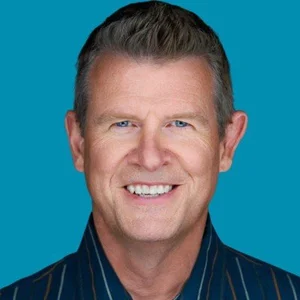
PODCAST. Executive Function, Systems, and Self-Love with Sarah Kesty.

Sarah Kesty is an educator, speaker, executive function specialist, and host of The Executive Function Podcast. She’s also the founder of Brain Tools School, where she helps students and adults understand how their brains work—and teaches them how to thrive with ADHD using real-world strategies that stick.
In a world where organization, focus, and time management are critical to daily life, adults with ADHD often struggle silently with executive functioning skills they were never taught. In this engaging and empowering interview, our Chief Wise Squirrel, Dave Delaney, sits down with Sarah to explore how understanding and supporting executive function can change lives, especially for late-diagnosed adults with ADHD.
Here, we’ll recap the major takeaways and tools shared in the episode.
Understanding Executive Function and ADHD
Executive function refers to the set of cognitive skills that help us plan, focus, remember information, regulate emotions, and manage time. These skills are essential for “adulting,” but they don’t always come naturally, especially for people with ADHD.
Sarah explains executive functioning as the “air traffic controller” of the brain. It governs everything from starting tasks to managing emotions to switching gears between activities. While these abilities are housed in the prefrontal cortex, that part of the brain can develop more slowly in people with ADHD, sometimes by up to three years. This developmental delay can cause a mismatch between intelligence and functional skills, often leaving adults frustrated, misunderstood, or ashamed.
Using a Strengths-Based Approach to ADHD
Instead of focusing on deficits, Sarah emphasizes the power of recognizing and building on individual strengths. Many adults with ADHD are resourceful, creative, empathetic, and innovative—but they often haven’t been taught how to turn those strengths into systems that work for them.
One foundational shift: learning to externalize what’s internal. Because the ADHD brain is more of a “factory” than a “warehouse,” tools like writing things down, visual reminders, and analog systems can help reduce cognitive overload and make daily life more manageable.
Building Executive Functioning Skills
Sarah introduces her CSR framework for strengthening executive functioning skills:
Capture – Write things down. Your brain isn’t built to remember everything.
Schedule – Block time weekly to organize your notes and tasks.
Remind – Use tools (digital or analog) to prompt future-you to take action.
By learning to respect how your brain works and setting up supports that align with it, you can build more trust in yourself—and follow through on the things that matter most.
Managing Overwhelm and Avoiding Burnout
Many Wise Squirrels struggle with overwhelm, especially when looking at a long list of tasks. Sarah suggests zooming out to prioritize:
What’s costing you the most stress?
What’s urgent or time-sensitive?
What can you remove entirely?
She also recommends adding mindfulness tools to your executive functioning toolbox. This doesn’t have to mean meditation—it could be birdwatching, hiking, or simply walking outdoors. Research shows that mindfulness and time in nature significantly improve executive function and reduce ADHD symptoms.
Emotional Regulation and Communication Hacks
Self-awareness is a crucial part of executive functioning. Sarah shares strategies for recognizing emotional escalation (what she calls “upset mountain”) and stepping away before reaching the peak. She encourages listeners to:
Notice the signs of dysregulation (tight shoulders, increased heart rate, etc.).
Take breaks before reacting impulsively.
Learn simple scripts to delay conversations (“I want to give this the attention it deserves—can we circle back tomorrow?”).
These techniques not only improve emotional control but also strengthen communication and reduce conflict in both work and personal relationships.
Looking Ahead with ADHD
Sarah’s work, especially with her upcoming book for educators, is changing the conversation around ADHD and executive function. Rather than pathologizing the neurodivergent brain, she’s helping people understand how to work with it—not against it.
By adopting tools that fit your brain, developing a support system, and learning to view your executive functioning struggles with compassion, it’s entirely possible to build a life that works on your terms.
🎧 Want More from Sarah Kesty?
Listen to: The Executive Function Podcast
Learn more: sarahkesty.com
Watch for her upcoming book with Solution Tree (August release)
Final Thoughts for Wise Squirrels
Executive functioning skills don’t come standard—but they can be learned. And for adults with ADHD, learning those skills isn’t just helpful—it’s life-changing. As Sarah reminds us, the key isn’t perfection. It’s self-awareness, compassion, and building systems that support who you truly are.
For more on executive function, check out this article: Sorry, you're not invited to this executive function.
-
I am Sarah Kesty
I host the Executive Function Podcast
and I founded Brain Tools School.
And I love what I do.
I help people with different brains
figure out life hacks and how to love on themselves
and excel with these amazing brain gifts slash challenges.
Yeah, yeah, yeah, that's great, that's great.
And where are you logging in from today?
Stay in Diego.
That's cool. I love San Diego.
I was there last year for a speaking engagement
and loved it.
I did some nice, I did this hike that was like,
I actually did some videos of white squirrels
from this hike where I saw it.
Yeah, yeah, yeah, yeah, we're, yeah, I forget the name of that.
40 pines, you were in Torrey Pines.
Yep, nailed it, nailed it.
Yeah, because I remember being like,
dang, I wish I had known ahead of time.
I've been so cool to hang out, but next time.
Yeah, next time, yeah, yeah, yeah.
Yeah, I try to do meetups like along the way.
Yeah, I'm trying to do that more and more or so.
But yeah, yeah, hopefully get back out there seen enough.
Yeah, I love it.
And so, yeah, so how long have you been doing
the executive function podcast now?
Well, good question.
Three or four years with the podcast,
but I think I always tuned in to executive function.
You know, like my background's in teaching.
And so when I heard what it was
and how it impacted students,
that's what got the whole ball rolling.
And gosh, that was over 20 years ago, you know?
Yeah, yeah.
And who were you teaching back then?
Were like great grades for-
I love when you said who?
A lot of people say what?
And I'm like, no, it's who?
I started out, you know, it's interesting
because when I interviewed the people who interviewed me
said, we feel middle school with you.
You just have that vibe and I was like, what?
Ew, no, that's not right for me.
So I bartered to get first through third grade students
in like a special ed class.
And then, you know, years down the road,
maybe like five or six years ago,
then I discovered that middle school
was the best kept secret in education.
And they're the juiciest, most terrible students ever
that you just can't help but love and-
Yeah.
Tharn it, they were right.
Yeah.
And do you have kids of your own?
No, not yet.
Okay, yeah, yeah, yeah.
Well, that's great, yeah.
Yeah, it's interesting.
My wife says school teacher teeth.
And she's a librarian now, but she works
at a, you know, elementary middle school.
So yeah, she's definitely busy to say the least.
Yeah, okay.
Yeah, there's no shortage of that.
And yeah, so what exactly drove you to,
well, let's, let's actually first of all talk
for those who may not be that familiar with
even the term executive function or executive functioning skills.
And I know like the definition's still Lucy Goosey,
a little bit at least, you know, from a DSM kind of approach,
but talk a little bit about executive function.
Like what, what is it?
And yeah, let's get, let's start there.
What is executive function?
Yeah, I know, because either people hit you with examples,
or they hit you with the analogy of like,
it's like the air traffic controller in your brain.
And you're like, okay, that gives me a hint
to like, yes, it's important and multifaceted,
but like, what is it?
So executive function just broadly is the set of skills
that we use to manage ourselves in the moment
and get us towards our goals.
And then if we kind of fanned that out a bit,
I think of it in a couple branches,
like branches of a tree, where it's like future skills,
like planning, organizing, preparing that kind of thing,
attention and self-regulation.
So managing when I feel disconnected,
how do I kind of reconnect with things,
or how do I plan for a boring moment,
and then learning and memory.
So how do I manage the information that comes into me?
And so that kind of, the big branches of the tree,
then give you a sense of, okay,
I can have little shoots of branches
that could describe the skills.
So that's how I've encapsulated it.
And if you just wanted to make a shortcut,
it's adulting, it's studenting, you know?
Yeah, yeah, that's true, actually, that's a good point.
Yeah, it really is adulting.
And most of that, and I'm not a doctor,
nor do I play on the internet, as I always say.
But my understanding is it's primarily
in the prefrontal cortex, right?
Which is like, yeah, and it's right in the front, yeah.
Which is interesting because of the last thing
to come on board as we develop.
So like through, in our preschool years,
it's under really heavy duty construction,
and then we kind of level out in childhood,
and then adolescence is when it really kicks into gear.
And that's like research is showing
now it's through like almost 30.
So our brains and that prefrontal cortex behind our foreheads
is really developing for a long, long time.
Yeah, yeah, the last I heard it was, yeah, I think 24
was the last I heard, but I don't follow like the,
so that in, so that year, you know,
and this is something I remind my kids from time to time
who are 18 and 19 and know everything.
Of course they do.
That their brains are, I said it to my son recently,
it was kind of a mean job.
I shouldn't have actually said it at the time,
but I was like, you know, he was like,
I know everything.
And I'm like, your brains haven't fully developed yet.
Yeah, there's something to that effect.
But no, but it is interesting.
And my understanding as well,
at least last I've heard,
and I've heard this from several people
that with ADHD, your brain is developmentally delayed
or your prefrontal cortex at least is,
so that it, so that ADHDers tend to be
roughly like, and again, roughly three years delayed
in its growth, whether it's physical
or the inner workings I don't really know,
but that's my understanding at least as well.
So you've got that like, I think you catch up,
but you have like a sort of three year delay
in that functionality of the prefrontal cortex,
which explains also part of the reason why ADHDers,
why squirrels as they like to call us,
tend to struggle with executive function,
different facets of executive function, so.
Absolutely.
Yeah, and it's something that's interesting
because what I appreciate about the picture
of that three year delay is,
it kind of gives a description
and a little bit of like,
what kind of a relief to say,
okay, my kid showed up in this 14 year old body
with like intact intelligence,
like executive function and intelligence
are entirely separate beings.
So I have got my 14 year old human body
that might have like the intelligence of a 16 year old
and possibly the executive function
that organizing the planning, the time management
of an 11 year old, which puts you back in sixth grade.
So you're looking at a high school freshman
with possibly sixth grade, you know,
studenting skills for lack of better word executive function,
that's gonna be really difficult
from the outside to kind of manage
that cognitive dissonance of,
I see this, but I'm observing that,
which is really interesting,
but then also even with that three year delay sort of
framework that we can think about as we develop,
ADHD is known to impair executive function forever.
And so that's why I work on helping people develop strategies
and augmenting and all that kind of stuff
and just rolling with the brain we got.
Yeah, yeah, developing like,
yeah, strategies, coping mechanisms and all that good stuff.
Yeah, so as far as, yeah, as far as helping adults go,
who struggle with different facets of executive function,
what are some of those strategies that you recommend?
You know, I know it's kind of a broad question,
but you know, picturing somebody, you know,
middle age to, you know, working as, you know,
some career job that they're maybe thinking about changing
or whatever, but they're kind of feeling stuck or frustrated,
you know, what are some strategies that you can tap into
your executive functioning skills to improve things?
I think Dave, I think you and I align on the baseline strategy
that I'm gonna recommend, which is find a way,
and this could be through coaching
or talking to people or looking at role models,
find a way to make some peace with yourself
very, very first as baseline.
So I like to think of it as like taking the view
from the balcony.
So can I zoom out just one baby level
and see my brain as not me?
So I have a little bit of distance
to not be so defensive or not feel so much shame.
So does that make sense?
It does, especially for those late diagnosed
because you're going through this whole, yeah,
there's a lot of reflection, self-reflection
that takes place, you know, after diagnosis,
and you start reflecting on your life and things,
and you know, unfortunately most ADHDers,
I think, and I don't know statistically speaking,
but, you know, trauma goes kind of hand in hand with ADHD,
you know, and so whatever that is,
especially even on the base level,
which is serious enough, which is,
and I can't remember the number,
but it's something insane, like before you're 10,
you have like 20,000 negative things that are said to you,
something like that.
You know that.
I was just mentally pulling up that statistic,
so you're like, yes.
Yeah, is that it?
Yeah.
Yeah, and you're forming who you are in yourself identity,
and like you're kind of,
they say you lock in your personality at 14,
but I don't think, I don't know,
that doesn't resonate with me.
I feel like it's not true,
but either way, you're determining how capable you are,
and kind of based on feedback.
Can you imagine 20,000 more by age 10?
Mm-hmm.
It's wild.
So yeah, there's a lot to untangle there,
and I think that becomes kind of the fertile ground
for strategies is, can I get to a space
where maybe not all of the executive function areas
feel playful, but are there a few
that feel like I could experiment?
Like I could go into life laboratory
and just see how it goes,
not judge myself, be curious,
and that's a good space to start.
Yeah, and they talk like there's talk about like,
different careers that are better for ADHDers
versus, you know, neurotypical people or whatever,
but yeah, are there thoughts there on paths?
Cause obviously, you know, everybody's different
regardless of their neurotype,
and you know, as you said yourself,
like, you know, intelligence doesn't come into the question
when it pertains to ADHD.
So, you know, you can be brilliant
and struggle with executive function,
but still, you know, find, have a wonderful, good,
successful life.
So, yeah, I don't know if there's a question in there
or whether I'm just rambling here,
but what are your thoughts?
No, no, you're, you're, and it's funny
cause some of my best doctors I've had have had ADHD,
and because they're coping with, you know,
massive amounts of information
and being able to communicate
and stuff they add to develop great strategies.
And so, if you are in that space
where you're kind of exploring careers
and saying like, okay, is this right for me?
If it's interesting enough,
your brain's gonna produce enough dopamine
and keep that focused juice going,
so does it change?
Does it capture you?
Does it make you have that leaned in feeling?
That's one good sign that you're in the right space.
Yeah, and I'm a big fan of,
you know, I've talked about it on the show before
about like different strengths assessments
and, you know, personality assessments and things.
Even though they're like unscientific,
they still can help you sort of shed a light
or focus on some of the strengths that you have.
They may not, you probably know deep down you have them,
but you just maybe forget that you have them
or you're just not able to apply those strengths a lot.
And so, I find, you know, I've talked about it on the show
before, like, Ikki Guy is a good, you know,
exercise to do to kind of develop your own career path
and, you know, what you should be doing in life.
So tell me, yeah, a little bit about that
because I know you've got like your own program
life after high school, like a roadmap, right?
But I think a lot of this can apply to adults too.
So like, what I, what I ripped from your website
is unleash and understand your brain,
develop effective time and attention management,
expand independence for adulthood,
create academic strategies that work
and develop self-regulation and social communication hacks,
and then organize your life,
which are all things that, yes, I could use work on.
So, I don't know.
I know, I know.
I know what, jumping into a bit.
Yeah, yeah, go ahead.
Sorry, the good thing is the tools are universal.
And, you know, like, I've got some adult stuff in the works
because you're absolutely right.
Like, what if this is just things we can learn?
It's executive functions are hired and never taught.
Yeah, yeah.
Yeah, so I would say, yeah, yeah, yeah.
Like, universally, I would say there are a couple
kind of big wins in terms of what we can do
to be brain-friendly and kind of set the stage
for our executive function.
One of them is to honor that, and I didn't make up this quote.
And if you, if you Google it, it's like attributed
to so many people, so I don't know how to properly give credit.
But our brains are factories, not warehouses.
And what that means is we can think,
we can problem solve, we can do that kind of heavy lifting.
But boy, are we bad at warehousing things?
We don't store well.
It takes a lot of cognitive effort
to mindfully practice putting something into our memories
and then practice recalling it, which is both,
you have to do it both directions to get it to be stored well.
We don't do that well as humans.
So one of the kind of executive functional rules
or guidelines, I should say, that I have is,
if it matters, write it down.
If you need to remember it, capture it somewhere.
Keep capture in the front of your brain.
And that doesn't mean that you have to have
like a beautiful list that could be several places.
And then you have maybe a set time
where you collect all of your inboxes.
So Friday afternoon, Sunday evening, it can be like,
OK, I'm going to check my Google voice notes to myself.
I'm going to go through my screenshots.
I'm going to check my texts and my emails.
And there's so many places that we're getting
are to do items or we're capturing.
But the idea is to kind of develop
a system that works for you to honor that our brains
are not great at remembering.
And there are things that people are going to say
or information you're going to get
that they're going to expect action on.
And if we haven't captured it, sometimes we
fail to follow through, which then leads to spirals of shame
or maybe even getting in trouble at work.
And so just having a system to capture your stuff
can be a huge game of danger.
Are there systems that you recommend?
And I know it's different things for different people.
And I also know this curse of novelty for why squirrels,
when we finally find the thing that works perfectly.
And then the novelty runs out.
And we're like, now we're looking for something else.
So I know that there is this curse.
But as far as, because I'm guilty of this,
I've got like legal pads of notes.
I've got journals of notes.
I've got notes, app notes.
I've got Google Doc notes.
I've got email, CRM notes.
And I open a million text documents on my computer every day.
I open a blank one and start writing notes
and then forget about them.
Now, thank God there's on a Mac or at least there's spotlight
so I can search and find those notes later.
But I am guilty of that of forgetting to go back.
I'm diligent about taking the notes,
but then going back and finding those notes later
is challenging for me.
And then what to do with those notes at that point.
So any strategies or tips there?
That's funny.
It's like a perfect segue.
Because I teach kind of the work management,
the project management system in like three steps.
So capture is like on our brains are factories, not warehouses.
We need to capture, which it sounds like you do really well.
And then the second part is schedule.
And the third part is remind.
So CSR.
So the next part would be like, okay,
when feels like a brain-friendly time,
maybe I can body double with somebody,
maybe I can like treat myself to coffee,
like something that feels good that I can do weekly
or a couple of times a week where I do like the roundup of all
of my, all of my captures, all of my things.
And then either take that time to schedule
when I'm gonna follow up with the captures
or at least take that time to note what's where
and determine kind of what I wanna do with it.
And it doesn't, I mean like I teach organization
and yet my systems are fairly loose
because I have a really strong visual memory.
So I can kind of just envision where things are.
So I don't need big systems like other people do
and that's totally fine.
So when you're thinking about what do I do with my notes,
it could literally be just throw them on a digital file
like you're mentioning or put them in a milk crate
and that's where they go for now.
Just having a system that you know about and works for you
is kind of part of that next step.
Yeah, that makes sense.
That makes complete sense.
And then for the reminding part, how does that work?
That's where we pop into thinking about like
loving on future you.
So like what will future you need in order to be able
to follow up with some of those things?
And I think what I learned that really help kind of change
the game was thinking about I have my task list.
I'm looking for it because I can show you.
It's like a full page, here you go.
I guess this isn't video when it shows, right?
It's just audio.
Yeah, yeah.
I mean, I can, I can, well, no, it is video too.
So yeah, there is.
I can just survive it.
So I've got my April like work home
and then my wish list at the bottom.
That's really, yeah, I love that.
That helps me kind of recognize
there are things that are half-touce,
there are things in like work and home
and then there are things that I want to do
that are my wish list that if I have time, I'll get to.
And then in my planner, I still use paper planner
because I like being able to move stuff around.
I'll have my daily actual schedule of what
might should do list is.
And so I kind of piece apart, okay,
here are the things that absolutely have to happen.
Here's my parking spot for all of the tasks
and once I get into that space where I've identified
what I actually have to do,
then I set the reminder.
So that last card is the remind of thinking of future me,
which also could parlay into like what does future me need.
Like, I knew I had this today,
so I had to charge my microphone
and make sure that I was ready to go.
Yeah, yeah, that's great.
I think, and as far as the reminders go,
you said you're using paper for that
or are using digital tools for that.
I do, I do, I duplicate because it helps my brain.
So I'll set digital reminders
and physically write it down.
There's something about seeing the whole day
in one place that really helps,
which is usually better done in writing,
but I'll set digital reminders.
Or if it's like something that needs to happen,
but I'm not likely to forget,
it can go in the calendar.
If it's something that is absolutely time sensitive,
that's probably gonna get an alarm with like a sound.
Yeah, yeah, yeah.
Yeah, I use like I swear by,
well, I'm funny actually,
because I swear by my iPhones reminder app,
they're the reminder app,
and I have different categories,
different lists for different things, right?
So I've got house, you know, things to do at the house.
I've got, you know, or family things or what have you,
but then I've got, you know, why squirrel stuff?
I've got future forth, my business, my core business stuff.
And so I have these different lists for things.
And I do set reminders on them,
and if they're like a monthly reminder for whatever,
but I don't always, I'll get the notification of the reminder,
but then I'll like, you know, squirrel, you know,
do something else and I'll forget about that.
And then I'll forget to look back at the reminders
that came up on my phone.
I'm also being, I mean, I'm a nerd, I love digital,
but at the same time,
I'm a big proponent of analog as you're saying.
I think pen and paper posted notes,
if you could see my desk right now,
like there's a million,
but I think there's a lot to be said for that.
And also just in the stuff that I like speak about
and teach about communication strategies
and networking skills and things like that,
like just jotting down some notes.
Really, it really does help you,
but it also, I believe it's called the productive effect,
or production effect where it helps you actually
by tangibly writing something down.
It actually tells your brain that like,
oh, this thing must be important.
I better remember it.
And it just helps you remember it.
So, you know, and also, you know,
when I do like corporate training and workshops,
I talk about an acronym for listen
and the tea in that acronym stands
for testing your understanding.
And so when you're dealing with other people
and you alluded to this earlier,
it's about testing your understanding.
So using terms like, so what you're saying is,
is that what you're saying?
So that if we're talking and you've got a project
and I'm helping you with it,
and you're leading the project.
And so Sarah says, you know,
Dave, make sure you've got this, you know,
thing done by Monday 12 PM.
I'll say, so what you're saying is,
you need this specific thing done by 12 PM Monday morning.
Is that what you're saying?
So that way, and in doing that,
the person that you're conversing with feels like,
ah, okay, Dave's got this, right?
Like Dave understands the what has to be done.
From you repeating it out loud,
it also makes your brain perk up and remember it too.
So just verbally saying it out loud helps.
And then like writing it down to like right away.
Like all.
Absolutely.
I mean, did you're kind of making me think of,
there's, you know, the blah, blah, blah.
Sarah Kestie, get your words.
Conductors of trains, there you go.
Yeah, yeah, yeah.
You use a similar strategy where they point,
they say it, they hear it from somebody else.
I mean, they do multiple modalities
to get that information to be really salient
and important to their brains.
Same idea with what you're describing.
Yeah, and just, because I do,
I'm just speaking for myself, like, yeah,
being pretty diligent with writing down what needs to be done,
like the capture part as we talked about.
But I think this, I start to drop the ball
between the scheduling and the reminding,
even though I do have systems in place for it,
so I don't, I don't know.
And part of it's just probably the curse of ADHD.
I don't know.
It's a dopamine thing,
because capturing all the things seems sparkly and fun.
It's the same thing of like buying planners.
Like, all right, this is it.
New year, new me, like that kind of feel.
And then we have to switch into more of like the here
and now chemicals of like Sarah Toman and like the boring,
nor not as reactive to it.
And so when we're switching into like,
okay, actualizing our plans,
that's where dopamine pieces out.
And it's like, oh, this is not my department, no thanks.
And it feels sluggier.
So yeah, yeah, keep going, sorry.
We're like, we're at risk of being distracted
by something more exciting because, hi,
if we just had our dopamine leave us,
so we're ready for more.
Right, and we're on the, yeah, then we're on the hunt.
Yeah, I actually, you got me thinking about,
and this might resonate with, with listener too,
that so I bought years ago, or not that long ago,
I guess, well, a couple of years,
I bought a planner for like 80 HD heads, you know,
like that, and it had like, it just looked great.
And so I bought it and I never even wrote my name in it.
And I kept carrying it around everywhere to work on it.
And I just, I just could never,
you know, I started watching,
because there's like QR codes in the book
that you can watch videos walking you through the steps
to do this portion, this section.
So there's all these different things.
And I kept, I just could not for the life of me,
write my name in it.
And it wasn't the first time I've had that,
where I've had like another really nice leather bound,
beautiful like journal kind of thing.
And I just never even, and again, I carried it around,
I brought it at lunch, I sat down with it with a pen,
I opened it multiple times and just could never get started.
And I brought it to my therapist and I showed it to her
and she's flipping through it and she's like,
oh, yeah, this is, this is great.
Yeah, like this.
Yeah, I hadn't prefaced any of this.
I just showed it to her and she's like,
yeah, this is great.
Yeah, I could see where this could be really helpful.
It's well designed.
And I said, so why the hell can't I write my name in it?
Like, why can't I start?
And she's like, because that's not how your brain works day.
And I'm like, what do you mean?
And she's like, it's because of the overwhelm
you're feeling with all the different steps
that you have to learn in the book to do it properly,
that because of the overwhelm I feel
from all these different steps to do the thing,
I'm just better off, I just feel like I just abandoned it
and don't do it at all.
So, you know, I wrote something down a while back
about how overwhelm, I don't have it in front of me.
I can't remember what I wrote,
but it was something like an equation
that was like basically like overwhelm.
It was overwhelm plus something equals stagnation
or something to that effect.
And so, what are some tips about like overcoming that overwhelm?
I'm sure you come across that with your clients.
Oh, absolutely, yeah, it makes a lot of sense.
And that's, that is kind of the paradox of capturing
because when you capture everything,
then you can see it all.
And then you're like, oh my gosh,
this is more than 10 people could do in a week.
I want to do this today, you know?
And so, a lot of it is kind of like knowing
what helps you stay regulated.
So, like, do you need to stand and move?
Do you need some kind of like honor
that you are a mammal?
Like, make sure that you're hydrated, all that kind of stuff.
I know that seems so tight and silly,
but there's so much research that those are baselines
for executive function.
So, throwing it out there.
And then, you know, if you are in a space where it's,
you literally feel that I can't look at this kind of,
I'm gonna go do something else and you're recognizing it.
That might be a good time to partner up with somebody.
It could be a phone call, face time, it could be in person.
It could be just stealing the focused energy
of somebody else on their laptop out in public,
kind of body doubling without the person knowing
that your body doubling with them.
Yeah, yeah, yeah.
I do love working from coffee shops.
Right, like just getting a zone, something about like,
when other people are in the zone, you can get there.
But, you know, and then have an idea of how you want
to prioritize, because everything on your capture list
will not happen today.
So, what can you tease out that's maybe two or three things
that go on your to-do list, and then you can schedule them,
and that feels much more manageable.
So, ideas for prioritizing could be,
what's gonna cost me money?
What's making me feel sick, because it's so stressful,
I just wanna get it done,
or if you don't have a lot of energy,
and you need like kind of a bridge
into feeling like you're productive,
what's something quick and easy?
But like, estimating is a five, 10 minute thing,
and maybe that's where you start.
So, there's not a right or wrong way to prioritize,
but the idea is you pick your lens,
and then look back through your list and say,
okay, what's sticking out to me based on those criteria?
Like, is it super stressful?
Does it seem really easy?
Will it lose me money, or like,
is it impacting relationships?
You know, you can kind of pick what seems like
a resonating, big thing that you wanna address.
Do you think it's good to like take a step back,
like a 30,000 foot step?
Because you mentioned earlier about sort of planning
for your future self, right?
Which, I'm pretty guilty of not doing well.
Like, it's like weeks just fly by for me,
or months even.
God only knows by the time I'm like 80 or 9 a.m.
It's gonna be that on steroids, right?
And that's a given anyway,
but it'll probably even faster for me.
So, and obviously time blindness is one of the fun things
that we wise squirrels have to deal with.
So, getting back to that 30,000 foot look,
are there specific strategies for figuring out
what, let's say there's three projects
that you want for your future self.
And whether it's like professional goals,
whether it's personal, physical, like, you know, exercise,
whatever it is, do you think that's a good strategy
to start with like what, for your future self plant,
like figuring out what those big visions are
in order to then drill down into the steps
to accomplish each, each thing and then start kind of
going backwards towards it.
Does that make sense?
I'm thinking out loud.
It does make sense, yeah.
So, my friend, I'm like,
Kirtur Morris kind of talks about micro goals,
where it's like, here's the, the skill I want to develop
and here's like examples and little steps to get there.
And that's kind of in the student context,
but that sounds similar to what you're talking about.
And yes, if that is helpful and not a new brand of overwhelm
to look at it as like, okay, me in a year,
what is she so thankful that I did?
And me in five years, what does she have
because I'm taking these steps right now?
And I caution you to be careful
that if it's hard for you or if you're taking this advice
and trying to apply it to like a younger person,
if that's still hard if projecting into the future is tricky,
that is a known component of ADHD is that,
you know, it's hard to get there in the future.
And especially as adolescents, that's tricky.
So, if you're hearing this going like,
oh my gosh, I could never do that.
Okay, so you're not in that space, it's totally okay.
But I'm gonna flip it around two days
because one of my favorite things to do
when I'm in overwhelm is go through the list
and pick what does not matter.
What did I write down in my brain dump
that's actually dumb and I don't need to do it?
Like, do I need to send Easter cards to every person
I've ever met?
Right.
No, that just came off my list yesterday, actually.
Yeah, that's great.
Yeah, yeah, that's true, actually.
That's a great point.
I think what's his face?
Famous investor.
I've read what's his face.
The most famous guy.
Warren Buffett?
Yeah, Warren Buffett, thank you.
Yeah, yeah, yeah.
Yeah, Warren Buffett has this thing.
And I'm paraphrasing because I can't remember
the specifics of it, but the general idea is
that you write a list of like 20 things
that you want to work on or that you want in your life
for the 20 different careers or whatever it is,
but like 20.
And then the idea is to then abandon the last 15 completely.
Like, just forget they're even on the list.
I just throw them in the garbage
and just focus on the top three to five.
And his idea with this is that
if you're just like spitballing writing a list of 20 on paper,
it's really the first things that come to your mind
or the things that you're most passionate about,
that you're most excited about.
I want to become an actor, like a stand-up comedian
that's famous with my own Netflix special.
That could be near the top of my list.
And then you get further down
and you're like, I want to be whatever.
Like, just abandoning those and focusing on those top ones
because those are the things you're most passionate about.
And you know, I mean, people do these things, right?
So, yeah, I don't know.
What are your thoughts on that?
Yeah, I like the idea of just doing that.
And then, yeah, just, it's interesting with ADHD
and there's something I've talked a lot about
in my own therapy I've learned too,
which is like you, the line is that like if you,
you think too much of the past that can lead to depression.
And if you think too much of the future
that can lead to anxiety.
And so the idea, and in mindfulness and meditation as well,
which is something I have a daily practice of
what I take really seriously is being present
and being in the now.
But that's not to say that you shouldn't be planning
for the future and you shouldn't be doing some reflection.
It's just, especially when you're late diagnosed adult,
when you're recently diagnosed,
that's a dangerous place to go is into the past.
Like my life could have been this, you know?
I could have been that.
And then what next, like what does a future hold, you know?
And then again, with with ADHD, you know,
the most common comorbidities that come along
with ADHD are anxiety and depression
among an array of other fun stuff.
But those are like the two main things.
And so yeah, when you're dealing with clients
who might have anxiety or depression,
are there ways to maybe take the stress
or lower the stress in how they're planning their future?
Like any ideas about that?
Oh, good question.
So sometimes I take people through an exercise
and I can send this to you
because I made a graphic for it.
It's called like mind your dream.
And what it means is like if you,
and this would actually be lovely for late diagnoses
because I'm sure there's some like regret
and some like, oh man, if I had only known
and it makes so much sense,
is to think about, okay, when I have this dream,
when I see like this being I have
or this person I became, and then just again,
I'm a fan of the zoom out, zooming out one level
and being like, why?
What is it that I want to feel
because of this thing?
And oftentimes when you uncover, here's what I wanna feel,
here's what I want to experience
when that becomes clear.
Oh my gosh, then it's a whole menu
of other ways you can get there.
And then it's not as regretful because it's like, okay,
I want to become an actor,
like your example or like a stand-up comedian.
Well, I wanna bring joy to people.
I wanna travel.
I want to, you know, the things that come with that,
I wanna be well-known.
Okay, what other paths do I have for that?
Like, how do I, how what other options are there?
And then that kind of reinvigorates
and gets us out of that like, ah, man, I didn't go to LA
and become an actor instead.
It's like, okay, but like, what if I go visit nursing homes
and bring a goat?
And I mean, that is one of my dreams, which is so weird,
but I would love to like visit nursing homes with a goat.
I don't know why, it just seems so fun.
What do you have goats?
No, not yet.
How you done like goat yoga?
I hear that's a lot of fun.
I've done goat yoga is the reason I do yoga now,
which it does tie back, we are all over the place,
but it does tie back to what you were saying
about mindfulness when we can find ways
to get out of our heads for a little bit.
That's another thing that I've seen show great impact for,
myself for you, for people I work with.
And it does not have to be the typical combaya force
your brain to be quiet, because that is mental gymnastics
that I'm not up for.
It could be more like rhythmic movement, like walking,
sometimes lifting weights is meditative for me.
Listening to birds and trying to identify them by sounds,
like all kinds of ways to just be like you're saying,
very present, which I did want to mention too,
is one of the gifts of ADHD.
When I'm around people that can get so in the zone,
it's like this juicy moment or time just stops
and like what a gift brings with ADHD,
bring to people to help them notice and feel alive.
And you know, it stinks that we live in a world
that moralizes executive function,
like you're bad if you're late or,
I mean, you even opened our conversation,
apologizing that we had to reschedule a couple of times.
And I'm like, no big, that's life,
but I'm sure you kind of carried some friction about it
because we live in a society that tells us all the time.
Yeah, yeah.
Yeah, that's absolutely true.
Yeah, yeah, that's really good, that's great.
I think, yeah, that, yeah, I sometimes think like,
if I could hyper focus on specific things
that I really should be focused on, you know,
if I could find that piece like to,
whether it's through like I had a guest on previously,
we talked about gamification, right?
And like gamifying things in order to achieve your goals,
I think, yeah, it's, cause to your point,
yeah, you get, you know, neurotypical people
are always looking for flow,
they're trying to get into the zone, into the flow.
And it's like, that's not a problem for me.
The problem is that I get into the zone
on something that I really shouldn't be working on right now.
Right, but like, and why squirrels in a sense
is that thing a lot of the time because, you know,
I, I end up working on why squirrels much more
than I am on my, my core business.
And suddenly I'm like, oh, man, I need to get back
to like working on future fourth.
So it's interesting, right?
Like you, you get distracted by the things
you're really getting into.
So yeah, I saw a study recently that just came out,
that spoke about, and I don't know the whole,
it was a study, I don't know the whole science behind it,
but they basically found that, obviously walking,
just walking alone is a great exercise
in a great way to clear your mind
and to all the things you're speaking on.
But apparently Tai Chi is even better than walking
for your executive function specifically
to work on your executive function
because I think it is a form of meditation and it is,
but you're, and you are getting exercise at the same time.
So I think it's like a combination of different things
that I don't know, have you seen that study
or heard about that?
No, I'm excited to read it, I believe it though.
I mean, anything that really requires your focus
just gives your brain a chance to reset and fly it.
And there's green time, like being out in nature
is also shown to help with the executive function
kind of ease up some of the ADHD symptoms.
Yeah, I go on hikes quite a lot.
I live thankfully near a small state park around a lake
that's some climbing, but it's great.
So I'll go there and whenever I travel,
I try to find, like there in San Diego,
like I always try to find different trails
using the All Trails app to find different, you know.
I'm almost five years sober.
So, and it used to be when I traveled,
and I lived in Ireland and stuff.
So like when I would travel,
the first place I'd always go is like a local pub
and go and have a couple of pints
and meet the bartender locals
and start to get a plan for like what to go check out,
what restaurants or, you know, shops or what have you.
And hiking has kind of replaced the pub.
It's a little lonelier, but it's still like getting out
and clearing my head and looking
for these different cold trails and stuff.
So, and yeah, I was thrilled to find that one in San Diego.
Oh, that's awesome.
Yeah.
Sponsored by All Trails, no, just kidding.
Oh, yeah, right.
Yeah, exactly.
Well, I was also gonna say you talked about,
you mentioned listening to the different bird calls.
Have you seen the Merlin app?
Oh, what's your lifeless?
I'm 112, I think.
Oh, I don't know, man.
Oh, you're bad at, so you're like legit.
I don't have like the list on it.
I haven't done that.
It is so cool.
I know what you're doing this afternoon.
Yeah, yeah, right.
For those who don't know, like, yeah, it's from Cornell,
Creon's app.
And it basically tracks the migration of birds for studies,
but what the user is doing with it typically is you just,
you turn on the microphone, you turn it on
and it starts to listen and you set it up
when you install it, you choose like the zone you're in
or the area you're in and it installs
that sort of data pack or whatever.
And then it scans and it's so cool.
Like, I'll sit in the hot tub in the morning.
We have like a hot tub in the screen in porch
and I'll put it on and just,
and you can see the sound wave pop,
but as birds start twirping
because I live near a forest here,
you see like it's a robin and it's a, this one
and if that one and then it starts to like,
it's really neat.
It's such a cool thing.
It's so magic.
Yeah, and what a cool, I mean, that's,
that's meditative, that's living in the moment.
That's, you know,
but that's funny because just earlier,
there was a Buick's friend right outside my window
and they're little teeny guys and they make the loudest sound
and I'm like, great.
This guy's ruining my podcast,
but maybe you can hear it.
No, no, it's not, it's not, you sound fine.
Yeah, I'm glad there's no leaf blowers
or people out there today.
What about like as far as developing like self-regulation
and maybe social communication hacks
ways to interact with people?
I know that's one of your, your list of things.
Tell me a little bit about that.
Yeah, let me think.
So specifically,
gosh, self-regulation.
Let's just go there first.
Yeah.
That would be really knowing yourself.
And I would say if you can kind of picture like being escalated
and de-disregulated kind of like a mountain,
like sometimes when I work with littles,
I call it like upset mountain.
Yeah.
We get signals from our bodies
that we're like going up upset mountain
and sometimes we ignore them.
Once we're at the peak,
once we've lost our, you know what?
Like once we've, we're really like,
ah, we go into limbic activation
and we're not real good thinkers.
Like our brains sense a threat
that get us into fight flight, fight or flight, you know?
Yeah.
And logically our brains kind of shut down
that interaction with our brief frontal cortex
because who needs to think about British literature
when you're trying to survive, right?
Yeah, yeah, yeah.
But the bummer is that's also where our decision-making
executive function is.
So if we can kind of pay attention
to those little tickles of discomfort
or like the internal kind of interoceptive feedback
that we get that we're about to peak on upset mountain,
then we have the chance to use the tools like breath,
like taking a break, like walking away
that I think that are known to help us de-escalate
kind of avoid that like big upset.
Yes.
Because what happens, I don't know if this is happening,
it's certainly happened to me.
Is when I'm freaking out,
somebody tells me to breathe
and I want to like probably take their eyeballs out
of their head because hello, I am breathing.
What are you talking about?
Of course, I'm breathing.
Right.
And that's a natural reaction because we're not thinking
with our brief frontal cortex
and we're in survival mode
where we don't really have good access
to that kind of logical, okay, I can breathe.
But we sure do while we're climbing up
that kind of escalation cycle.
So.
Yes.
I don't know.
Do you know your signals of what,
like when you're really feeling stressed,
when you're about to like hit the wall,
do you know what it feels like in your body?
I'm probably not aware of it at the time enough.
Not to say like I blow up or anything,
but I kind of just get exited.
I think it's probably just a tension, right?
Like you feel tense up probably
and then it just instantly exhausted.
It's kind of where I get, right?
So it's just like, yeah, climbing that mountain
in a tense way and then for me,
it's just like, I forget it.
Let's put on Netflix.
Yep.
Yeah.
And yeah, upset mountain.
Like my upset, I'm not a real angry gal.
Like minus a couple of bad words in the car.
Like I just, I don't go out.
I go in.
And so like my upset would probably look like
like getting really anxious or like avoiding things
or crying.
So it's not always anger.
But yeah, you're right.
It's really interesting to think about.
I bet you have even more subtle.
Like, so examples of kind of scanning your body
for how you feel in different parts of the day
and like how you react to different stressors
would be temperature, like perceived hot or cold,
heart rate, tension in your stomach,
actual stomach pain, headache, breathing rate,
some people burst is another one too.
So their or body posture, like shoulders coming up,
that kind of thing.
Yeah, yeah, yeah.
So just being self-aware enough that when you're
it's almost like working in front of a mirror or something.
So you know, you could see it in your body.
Like, I mean, I've done it before just because my back
is terrible and so, you know, sometimes I'll notice
that like I'm like, ooh, like down, you know.
It's like, all right, trying to move the desk up
and stand up, Dave.
So yeah, yeah, that's it.
Yeah, yeah, a similar thing where it's like, okay,
I have that little woo, that I'm not gonna do so well.
What can I do to either calm myself
or just take myself out of it
and then come back when I feel more regulated?
Mm-hmm, yeah.
And that helps too because you'll be in more,
like in better self-control in that case as well,
which is actually like a social communication hack too, right?
Because, you know, if somebody's like if you have a boss
that's reprimanding you or a spouse that's like yelling at you
or whatever, whatever it may be,
this can give you opportunity to also feel,
you know, yourself climbing the mountain
and deciding, you know, maybe I should not get to the top,
you know, in this situation or I'll get fired or whatever.
Totally.
And you can kind of get in the practice of knowing
how would it like gracefully duck out of those things?
Like this is really important.
I can feel myself getting escalated.
I'm gonna take a five minute break, I'll be right back.
Yes.
And actually, I just, I can't remember, that's a great point.
And that's something I just read about somewhere
or heard about in a book.
I can't remember, but the idea is, yeah,
it's not responding in real time.
So in that moment.
So exactly as you said, like the one,
I wish I could remember I heard this,
but, and you just reminded me of it,
but the idea is to say, let's, I think I'm gonna,
I'm gonna think about it overnight
and I'll talk to you tomorrow about it.
Let's talk about it tomorrow, or I'm just,
I'm sorry, I'm too busy today to deal,
like to not deal with it, but in my mind deal with it.
But to you, it's like, I'm sorry,
I'm just, I'm too busy today.
And I wanna make sure that I give you like 100% of my thoughts
and make sure that I'm being clear and, you know,
time to ruminate on it.
So yeah, let's pick it back up tomorrow.
And that gives you the opportunity to kind of sleep on it.
And then, you know, you may not even have to pick it back up.
Totally, sometimes they resolve or, you know,
it's, here's another kind of,
far lay in a social communication,
but still that self-awareness of self-regulation.
When you can tell that you're preoccupied
and someone kind of interrupts your focus bubble,
and it's like, hey, I need you to answer this question.
And you know that you're either gonna answer
because you're being socially compliant, like,
aha, but it's really not going in your head.
Yeah, yeah.
Or you're not gonna be able to kind of contemplate about it,
is to say like, hey, what you're saying really matters to me,
and I wanna make sure I give it the attention it deserves.
And I can't right now, can you pause for just a sec?
I know people sometimes do that to me,
and I'm like, oh my gosh, thank you.
Yes, I don't, I don't want to have the complaint,
like, yes, ma'am responds when it's not really going in.
So I'd much rather have somebody tell me, like,
hang on a sec, I'm not there with you, or.
Yeah, yeah.
You know?
Yeah, it takes two to tango.
Yeah, it's helpful for the others to do that too.
And also like, yeah, cause there's so many fires,
perceived fires in a day, but the truth is that like,
most of them are not, and the question then is, you know,
and something I often ask if somebody's given me
some sort of instruction is to like,
to ask like, when do you need that by?
Cause it could be something urgent for them,
and maybe it is, like maybe it is something they need
by the end of the day or whatever it is.
But, you know, nine times out of 10, it's probably,
oh, next, you know, the first of the month would be good.
Oh, okay, yeah, no problem.
I'll get back to that.
And that way you can just kind of shelf it
and, you know, get to it last minute,
cause that's what we do.
As we do, as we do.
Oh my God, time is flying by here.
I'm having a lot of fun.
This is great.
First of all, you have a book, or is it,
tell me, are you working on the book or is the book out?
Yes, and I just finished the developmental edits.
So we've got line by line edits next.
Ah, luckily I don't have to do that detail stuff.
I have a very smart team at solution tree.
So it'll be out in August,
and it's a book for teachers of secondary students
to teach exactly the function.
That's amazing.
That's great.
And are you working, are you working with a publisher?
Are you, are you published self publishing
or like a type of thing?
I'm working with solution tree.
Okay, I don't know solution tree.
They're mostly an education.
I think they're all in an education, but they're good folks.
They care about students.
You can see it in every kind of like department email and stuff.
So I feel really, really excited about it.
It was a huge project, but like, man,
I was in tears a couple times when I finished chapters,
just like kind of envisioning the students
that it might reach or like the possibly reducing
those 20,000 negative things.
Yeah.
Because if people understand that it's neurological,
not behavioral, it's a whole different approach.
Oh, absolutely, yeah, yeah.
I was going to say when I was writing my book,
I was in tears before I wrote a chapter.
Oh, what am I doing?
I'm like, God, I'm writing a book is no easy feat.
And like my book, my book is about networking.
So it's about like, yeah, it's called new business networking.
And so it's about attending events or running your own events
or using LinkedIn, I have chapters on social networks
and podcasting and all that stuff.
But it's all about relationship building
and networking the right way.
And my book came as a result of my talking to strangers,
which is what I'm a proponent of unless you're my kids.
And although now, I guess that's not as funny
because they're 18 and 19, so they're going to have to.
But my book came because I was speaking
to a publisher at a conference who was exhibiting some tables
and she looked dreadfully bored at her little booth.
And I just went over and introduced myself
and started chatting with no, I'd never
shared this idea for a book ever.
And she got it out of me right then and there.
I knew some of the authors that had been published there
and I was a speaker at the conference.
And we were just chatting and she said, what's your book?
And I said, oh, I don't have a book.
And she's like, what's your book, Dave?
And I'm like, well, I had an idea and she's like, what is it?
And I told her it was the first time I'd ever set it out loud.
And she's like, I love it.
And we exchanged contact information.
And next thing I knew I had a book contract and an advance
and deliverable dates to, and it was published by Pearson.
So it was like, suddenly I have this 80,000-word book
to write over six months or whatever it was.
And with undiagnosed, untreated ADHD,
that did not make things any easier.
And yeah, man.
So anybody writes a book regardless
of how you publish, self-publish, whatever.
It's, yeah, and it hats off.
It sounds like you're on the ladder stages at least, too,
which is great.
Yeah, yeah.
But then you get into the whole, like,
I wake myself up because I'm like, wait, I should have
added this and what about this person's voice?
And it's one of those things where I realized
with executive function, too.
Like, you will never have it all done, ever.
It will never be complete.
Unless you are literally, all of your laundry is clean
and you are fully naked and you're eating food
above the sink because you can't make any dishes.
Unless you're that kind of naked sink eater,
nothing will ever be all the way done, you know?
Yeah, yeah, yeah, that's, that's a great.
I'm like, have I done that before?
Maybe, no, I'd have a robe.
Possibly in your bachelor's, I don't know.
Yeah, yeah.
Left over pizza and a robe.
But then the robe would have to be washed eventually.
Yeah, that's true, that's true, yeah.
Well, this has been awesome.
I, yeah, I love chatting with you, Sarah.
How can people get ahold of you, learn more,
sign up for what you do and do you have a waiting list
for your book yet or?
I do, yeah.
I don't know if it's on the website.
It's on my email footer.
So that's good feedback.
It goes on the list for the wish list, though.
It's not going to happen right now.
Yeah.
People can reach me.
The executive function podcast is where I do all the free help
and try to help our community.
And then Sarah Kestie, S-A-R-A-H-K-E-S-T-Y dot com
has lots of more resources and info about me
and speaking and all that stuff.
Awesome.
Well, this has been a lot of fun.
Thanks, Sarah.
Thank you, Dave.